Why Homebrew keeps losing Mac utilities to Apple's signing policy

I’ve lost a handful of small Mac utilities to Homebrew deprecation over the last couple of years. The software was fine. The author just hadn’t paid Apple. That’s not how Homebrew phrases it. The PR says the cask failed brew audit. The audit flags the binary as unsigned, or signed but not notarised, or signed by a Developer ID that doesn’t match the bundle. The deprecation policy gives the cask a sunset date. It looks like quality control from the outside. On the maintainer’s side, it’s a $99-a-year invoice from Cupertino. ...

Running your own Mastodon instance with Docker Compose

I’ve set up a Mastodon instance probably four or five times now, and each time I go through the same ritual of hunting down documentation that’s either six months out of date or assumes you already know which files go where. So here’s the thing I keep meaning to write. What you need A server with Docker and Docker Compose, a domain name pointing at it, and an SMTP provider — Mailgun, SendGrid, or your own mail server. That’s the whole list. No Kubernetes, no systemd, no compiling from source. ...
Some of my favourite cell phones

There was a period, roughly 2004 to 2008, when phone manufacturers decided that phones could be fashion accessories. Not phones that looked like fashion accessories. Actual fashion accessories that happened to make phone calls. I collected a few of them, or at least got close enough to handle them, and I still think some of the best phones I’ve ever held had nothing to do with specs or benchmarks. Nokia 8800 Sirocco This was the one that started it for me. Stainless steel body, a sliding mechanism that felt like opening a luxury watch case, and a weight to it that told you it was built from something real. The Nokia 8800 Sirocco wasn’t trying to be a smartphone. It was trying to be a thing you pulled out of your pocket and knew, immediately, was expensive. It worked. ...

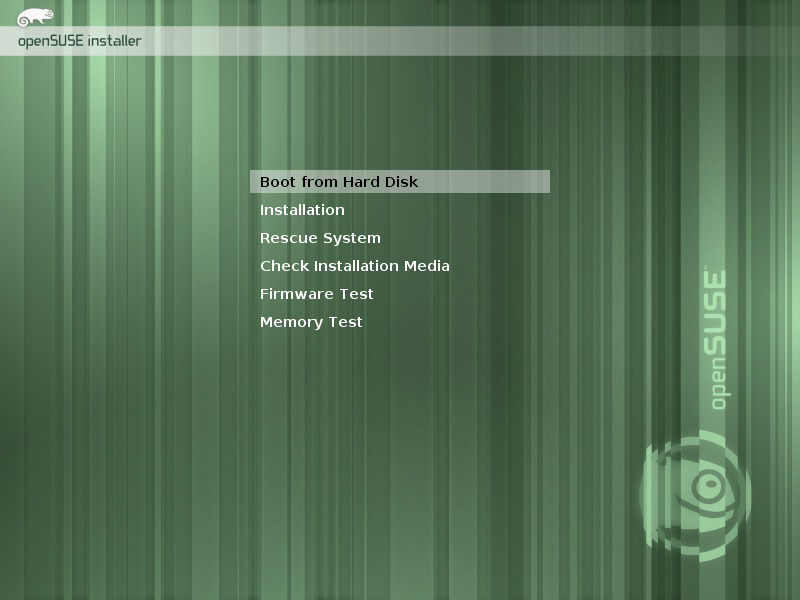
OpenSUSE installer boot menu

'OpenSUSE 11.4 -- first look'

I grabbed the openSUSE 11.4 64-bit ISO last night and spent the afternoon installing it in a VM. Here’s the full walkthrough, screenshots and all. Boot menu. Standard options – Installation, Rescue System, media check. Nothing fancy, but it gets the job done. Welcome screen. The green chameleon is back, and so is the striped wallpaper that’s become the distro’s signature look. ...

Ubuntu 11.04 Alpha 1, VMware Image for x64

A friend sent me a VMware image of Ubuntu 11.04 Alpha 1, so I’m sharing it here in case anyone wants to try the new release without installing it. The image is a fresh install with GNOME on a 64-bit system. VMware Tools are included, and it was built on VMware Workstation 7.1.2 (build 301548) under Windows. No software updates have been applied, so it’s a clean snapshot of the alpha as it shipped. ...

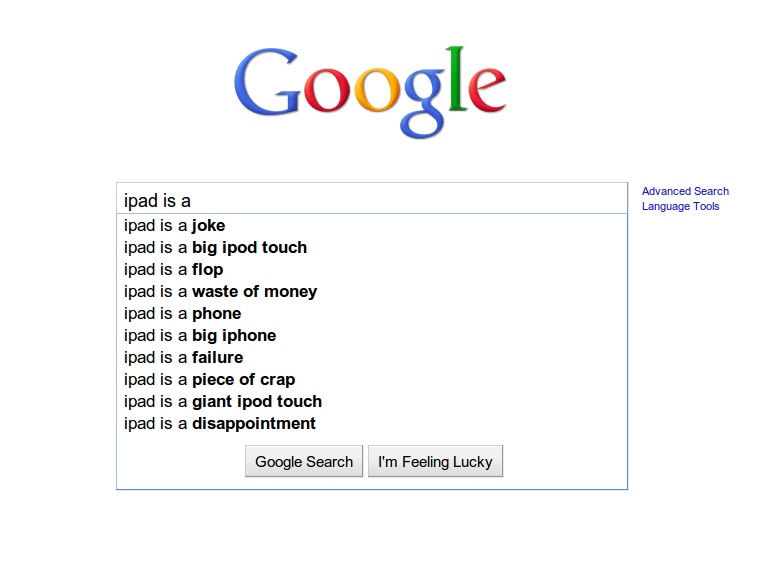
Ipad is a ... ?

What Is the iPad?

Steve Jobs unveiled the iPad yesterday. A tablet. Bigger than a phone, smaller than a laptop. No keyboard, no trackpad, no USB ports worth mentioning. The internet is already divided. Some call it a giant iPhone. Others call it a toy. A few are excited. I don’t have one yet, but the idea of a device that’s comfortable to hold for reading, browsing, and watching videos while on the couch appeals to me. It fills a gap that neither phones nor laptops really cover. ...

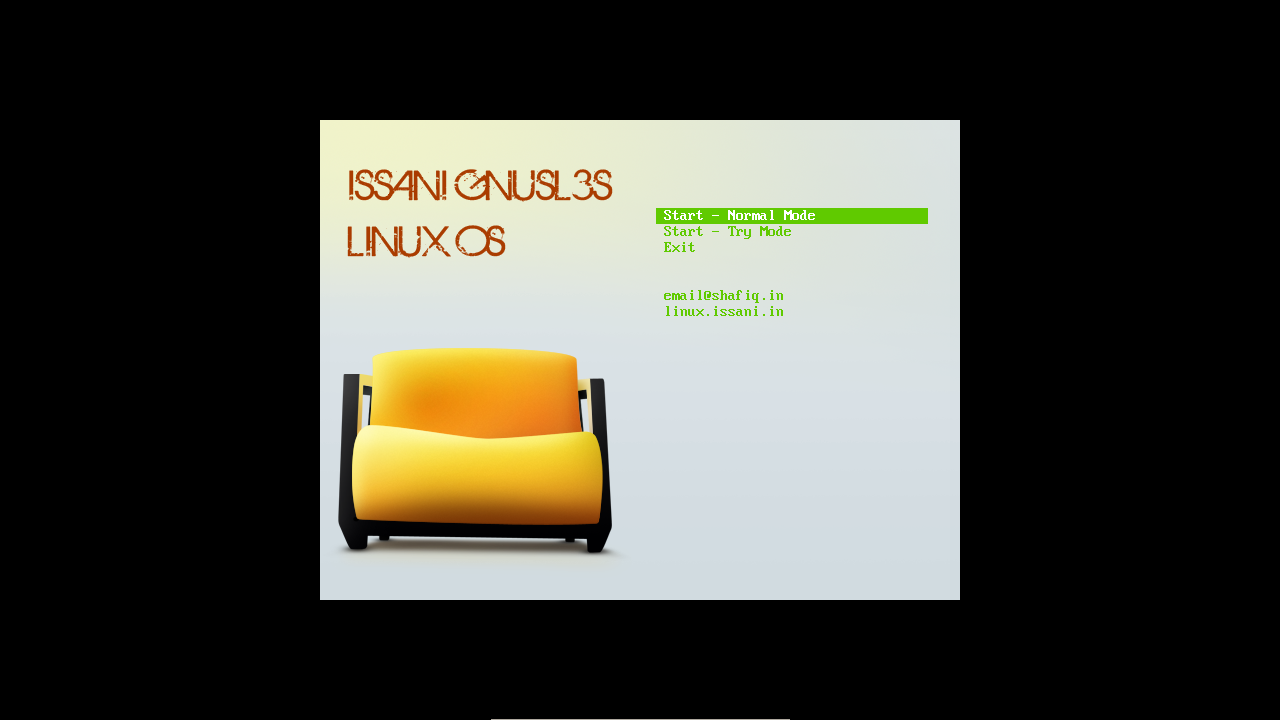
GNUSL3S LINUX OS

GNUSL3S Linux

GNUSL3S Linux is a distribution built in Goa. It bundles a wide range of pre-installed software spanning bioinformatics (EMBOSS, Primer3), security tools for penetration testing, system administration utilities, and development editors. Boot from the DVD for a graphical interface with KDE, XFce, Fluxbox, or IceWM. Based on: Slackware, SLAX, Alixe, Davix Version: 10.05.xx Architecture: i486 (32-bit) Origin: Goa, India Status: Discontinued

Identifying Your Linux Distribution

Not sure which Linux distribution you’re running? Open a terminal and type: cat /etc/issue On Debian 4.0, for example, this outputs: Debian GNU/Linux 4.0 \n \l The \n and \l are escape sequences for the hostname and terminal device – they’re not part of the distribution name. This works on most distributions. Some also have /etc/os-release with more detail: cat /etc/os-release

The launch of Mandriva Linux 2010

Mandriva Linux 2010 is launching on November 3rd. Highlights from the announcement: KDE 4.3.1, GNOME 2.28, kernel 2.6.31.1, and Xorg 1.6.4 RC 1 with updated Intel graphics drivers. There’s also a Moblin 2 spin for netbooks. I’ve used Mandriva off and on over the years. The Control Centre has always been one of the better configuration tools in the Linux world. Worth keeping an eye on to see how this release shapes up.